
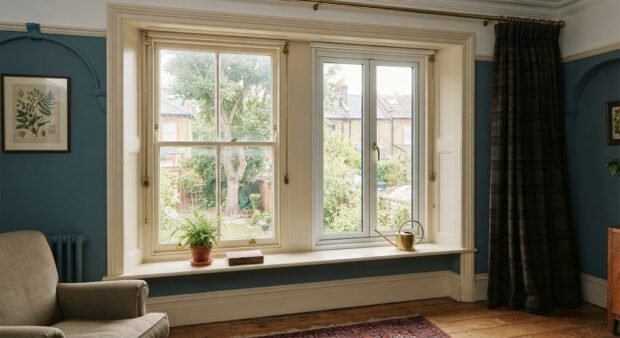

Internal secondary glazing wooden frames are the fix my neighbour never knew existed. She’s got one of those beautiful Victorian sash windows in her front room, the kind estate agents love photographing for the listing. For years she just accepted the room was freezing every winter, and every bus going past sounded like it was driving through her actual living room. Someone had told her replacing the windows would ruin the character of the house, so she just lived with it, draughts and all. Nobody had ever mentioned fitting internal secondary glazing wooden frames instead, which would’ve solved both problems without touching the original windows at all.
That’s honestly where a lot of people with period properties end up. You love the original windows, don’t want to rip them out, but you’re tired of the draughts, the traffic noise, condensation running down the glass most mornings. This guide walks through what internal secondary glazing wooden frames actually involve, roughly what they cost, which style suits your specific windows, and what installation day looks like. No sales pitch, no dense technical jargon buried in a PDF nobody wants to read.
What Are Internal Secondary Glazing Wooden Frames?
Internal secondary glazing wooden frames are a second, independent window fitted on the inside of your existing one, usually built from timber to match the character of the original, and sitting within the window reveal. Your original window stays completely untouched. Not the same thing as double glazing, which replaces the whole window unit start to finish. Think of it more as bolting on an extra layer, a second glazed frame a few centimetres behind the first one, with an air gap between them doing most of the actual insulating work.
This matters a lot if you’re in a listed building or a conservation area, where replacing the original windows often needs planning permission you might never actually get, or just isn’t something you want to do to a house with real character. Wooden internal secondary glazing sidesteps all of that, since nothing about the original window changes, and in most cases the whole setup can be removed later without leaving a trace behind.
Internal Secondary Glazing Wooden Frames vs Double Glazing vs Draught-Proofing
People lump these three together constantly, but they solve slightly different problems, worth knowing which one you actually need before spending anything.
| Option | What It Does | Keeps Original Windows | Typical Noise Reduction | Best For |
|---|---|---|---|---|
| Draught-proofing | Seals gaps around the existing frame | Yes | Minimal | Minor draughts, tight budgets |
| Internal secondary glazing (wooden frames) | Adds an independent inner timber window | Yes | Up to 45dBA+ | Period homes, listed buildings, noisy areas |
| Double glazing (replacement) | Replaces the whole window unit | No | Moderate | Modern homes without heritage restrictions |
If your main issue’s just a draughty gap here and there, draught-proofing alone might genuinely be enough, and it’s the cheapest fix going by a wide margin. But if you’re dealing with real heat loss, road noise, or you flat out can’t replace the windows because of listed status, internal secondary glazing wooden frames tend to outperform both the other options. Somewhat surprisingly they can even beat standard double glazing on noise, purely because of that bigger air gap between panes.
Types of Internal Secondary Glazing Wooden Frames
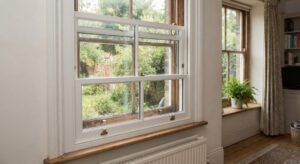
Not every style suits every window. Breaking down the main options below.
| Type | How It Works | Typical Cost (per window) | Best For |
|---|---|---|---|
| Vertical sliding | Panels slide up and down, mimicking sash windows | £250–£600 | Traditional sash windows, matching the original look |
| Horizontal sliding | Panels slide side to side | £200–£550 | Wider windows, easy day-to-day ventilation |
| Hinged casement | Opens outward like a door | £250–£650 | Full access for cleaning, larger panes |
| Fixed panels | Doesn’t open at all | £150–£400 | Windows rarely opened, maximum thermal performance |
| Lift-out | Fully removable panels | £180–£450 | Seasonal use, windows needing occasional full access |
Vertical sliding units built with wooden frames are usually the popular choice for genuine sash windows, mainly because timber echoes the original mechanism and material, and doesn’t look out of place sitting next to it. Aluminium versions exist too and cost less, but for period properties, matching internal secondary glazing wooden frames to the original joinery tends to look far more natural.
Benefits of Internal Secondary Glazing Wooden Frames
Heat retention’s the obvious one. A single-glazed wooden window loses heat fast, mostly because nothing’s slowing down the transfer between warm room air and cold glass. Add internal secondary glazing wooden frames and that insulating air gap can cut heat loss through the window by well over half. Unlike modern double glazing though, a good chunk of that benefit actually comes from sealing draughts around the frame rather than the glass doing all the work.
Noise is where this genuinely beats standard double glazing, and it’s usually what people notice first. Generally, the wider the gap between the original glass and the secondary pane, the better the sound insulation, since that air gap disrupts sound waves instead of just letting them pass straight through. Homes near busy roads or railway lines tend to see the most obvious difference here, sometimes within the first week of having it fitted.
Then there’s condensation. Cold glass is exactly why moisture forms on the inside of old windows on winter mornings. A well-fitted internal secondary glazing wooden frame keeps that inner pane warmer, cutting condensation down considerably, and less moisture sitting on the glass means less risk of the timber rotting around the frame down the line.
Security gets a boost too, an extra pane and an extra set of locks acts as a genuine deterrent for ground floor windows especially, without touching the original ironmongery.
And UV protection, worth mentioning since people forget about it. Direct sunlight through untreated glass fades curtains, furniture, flooring, faster than most people ever realise. A UV filter built into internal secondary glazing wooden frames cuts a meaningful chunk of that damage, particularly useful if you’ve got anything valuable sitting near a south-facing window.
Installing Internal Secondary Glazing Wooden Frames: What to Expect
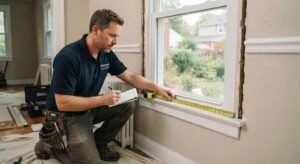
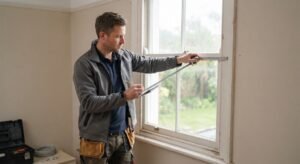
Most professional jobs follow roughly the same three stages, worth knowing what happens at each so you can ask the right questions when getting quotes.
First, assessment. An installer checks the existing window for rot, warping, damage, since internal secondary glazing wooden frames need a sound frame and reveal to actually fit into. Any repairs to the original wooden window need sorting before secondary glazing goes in, never after, that order matters more than people think.
Then measuring. Every window gets measured on its own, height, width, and crucially the depth of the reveal, since that determines which type of internal secondary glazing wooden frames will physically fit. Unusual shapes get extra care here, arched tops, circular windows, that sort of thing, so the new unit follows the original lines properly.
Finally, installation itself. The wooden frame gets fitted, sealed, tested for smooth opening if it’s an openable style. A standard window typically takes around two hours start to finish, so a whole house rarely runs past a day or two total.
Listed Buildings and Internal Secondary Glazing Wooden Frames
If you own a listed building or live somewhere in a conservation area, this is genuinely one of the few upgrades you can make without much of a fight. Because internal secondary glazing wooden frames don’t alter the original window in any way and are fully reversible, they tend to get viewed far more favourably by conservation officers than window replacement ever would. In many cases it doesn’t even need Listed Building Consent, though it’s always worth checking with your local planning authority first, since rules shift a fair bit between councils. Historic England has detailed guidance on energy efficiency upgrades for older buildings if you want the official position before applying for anything.
Cost of Internal Secondary Glazing Wooden Frames
Prices swing depending on region, window size, and which type you go with, but roughly, expect somewhere between £150 and £650 per window, fixed panels at the cheap end, bespoke shaped vertical sliding units at the top. Wooden frames generally cost a bit more than aluminium equivalents, but most homeowners find the look is worth the difference on a period property. Either way, it tends to pay itself back over several years through lower heating bills, though honestly, the noise reduction and general comfort tend to be what people actually notice first, well before anything shows up on a bill.
Keeping Wooden Secondary Glazing Frames Working Properly
Not much upkeep needed once it’s fitted right. Wipe the frames and glass down every few months with a soft cloth, check sliding or hinged units still move smoothly, lubricate hinges or rollers once or twice a year if things start feeling stiff. Because internal secondary glazing wooden frames are timber, they need a bit more attention than aluminium versions, an occasional light coat of oil or varnish keeps the wood from drying out. Our wood care products guide covers what actually works for keeping timber frames in decent shape long term. And if you’re trying to work out whether the original window needs repair before any of this goes in, our wooden furniture buying guide explains how to spot solid, well-built joinery from something that’s already on its way out.
Frequently Asked Questions
Do internal secondary glazing wooden frames perform as well as proper double glazing? For heat retention, a well-fitted wooden frame system with a decent air gap can genuinely match or beat standard double glazing. It usually wins outright on noise, thanks to that wider gap between panes.
Can I still open my original window once secondary glazing’s in? Yes, mostly. Openable styles, sliding or hinged, let you get to the original window whenever you want ventilation or need to clean it. You just open the inner pane first.
Will it damage my original wooden frame? No, that’s really the whole point. It fits into the window reveal, not the frame itself, and a proper install is fully reversible. Original window stays exactly as it was.
Why choose wooden frames over aluminium for secondary glazing? Mainly appearance. Internal secondary glazing wooden frames blend in far better on period properties, matching the original joinery, whereas aluminium tends to look more modern and industrial by comparison.
How long do internal secondary glazing wooden frames typically last? A well-installed system should run for decades with a bit of regular care, since the timber just needs occasional oiling or varnishing and the mechanism sees far less daily wear than the original window ever does.
The Bottom Line
Internal secondary glazing wooden frames solve a pretty specific problem, keeping the character of an older home while actually dealing with the draughts, the noise, the condensation that come standard with single glazing. Not always the cheapest thing on paper. But for anyone who’s ever been told they can’t replace their windows, or just doesn’t want to, it’s often the one upgrade that genuinely delivers without asking you to give something up in return.