

You’ve probably stood in a garden centre or scrolled through a dozen tabs, staring at benches and dining sets, wondering why one teak table costs three times as much as one that looks almost identical. The answer usually comes down to the wood itself, and honestly, most buying guides don’t explain it in a way that actually helps you decide. They list ten species, throw in a paragraph on each, and leave you more confused than when you started.
This guide skips that approach. Instead, it walks through what actually makes a wood good for the best wood for outdoor furniture, compares the main options side by side, and tells you which one fits your budget, your climate, and the kind of furniture you’re actually buying — a bench that sits under a tree all year, or a dining set you’ll cover every winter.
What Actually Makes a Wood Good for Outdoor Furniture?
Before comparing species, it helps to know what you’re even looking for. Three things matter more than anything else.
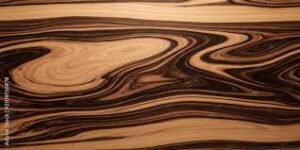
Natural durability. This isn’t about how hard the wood feels when you knock on it. Durability, in timber terms, is about the heartwood’s ability to resist rot-causing fungus and insect attack, usually thanks to natural oils and resins locked inside the grain. A wood can be soft and still last decades outdoors — cedar is proof of that.
Dimensional stability. Wood that swells in the rain and shrinks in a heatwave will eventually crack, loosen joints, and warp. The best outdoor timbers move as little as possible with humidity and temperature changes.
How it weathers. Left untreated, every wood eventually turns some shade of grey as UV light breaks down the surface fibres. Some people love that silvery look. Others want to maintain the original colour with oil or stain. Either way, it’s worth knowing upfront which camp you’re in, since it affects how much upkeep you’re signing up for.
Hardwood or Softwood — Does It Actually Matter?
Here’s something most guides gloss over: “hardwood” and “softwood” are botanical categories, not a promise of quality. Softwoods come from coniferous trees, hardwoods from broadleaf trees, and the label alone tells you almost nothing about outdoor performance.
Cedar and redwood are softwoods, yet both handle garden weather better than plenty of so-called hardwoods. Meanwhile, some hardwoods are actually quite porous and rot fast without treatment. What matters is the specific species, its oil content, and its density — not which category it technically falls into.
Best Wood for Outdoor Furniture: Species Compared
Here’s a side-by-side look at the timbers worth considering, based on how they actually hold up outdoors rather than marketing claims.
| Wood Species | Durability | Maintenance Needed | Typical Cost | Best For |
|---|---|---|---|---|
| Teak | Excellent (20–50 years) | Low — occasional oiling optional | High | Premium benches, dining sets |
| Ipe | Excellent (25–40 years) | Very low | High | Decking, heavy-use furniture |
| Iroko | Very good (25–40 years) | Low | Mid–high | Budget alternative to teak |
| White Oak | Very good (20–30 years) | Moderate — needs sealing | Mid | Traditional furniture, structural pieces |
| Black Locust | Very good (20–30 years) | Low | Mid | Tables, benches, uniform grain pieces |
| Treated Redwood/Pine | Good (15–25 years with treatment) | Moderate — reapply treatment | Low–mid | Dining sets, everyday garden furniture |
| Western Red Cedar | Good (15–20 years) | Low | Mid | Cladding, lightweight furniture |
| Cypress | Good (15–20 years) | Low | Mid | Live-edge pieces, decorative furniture |
| Acacia | Moderate (10–15 years) | Moderate — keep off wet ground | Low–mid | Budget-friendly furniture sets |
Prices shift depending on your region and supplier, so treat the cost column as relative rather than exact. What stays consistent is the durability ranking — that comes down to the wood’s own chemistry, not where you buy it.
Premium Choices: Teak, Ipe, and Iroko
If budget isn’t the main constraint, these three sit at the top of most experts’ lists, and for good reason.
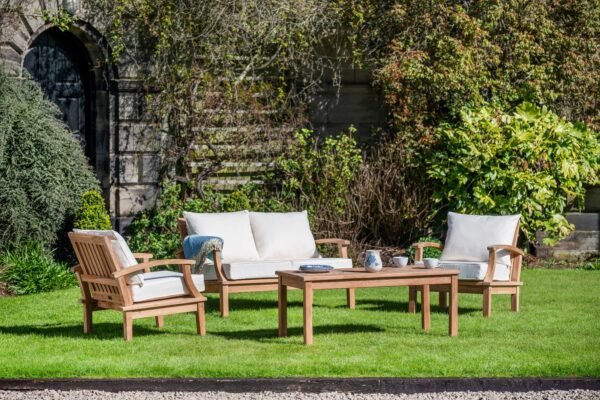
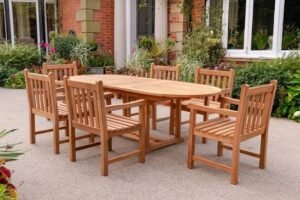
Teak is the wood everyone mentions first, and it earns the reputation. High natural oil content keeps moisture and insects out, it barely moves with temperature swings, and it ages into a soft silvery-grey if left alone — or stays a warm honey brown with a yearly oiling. The catch is sourcing: a lot of what’s sold as “teak” isn’t genuine plantation-grown teak, so look for FSC certification or a supplier who can confirm the origin.
Ipe, sometimes called Brazilian walnut, is so dense it barely floats. That density makes it incredibly resistant to scratches, dents, and rot, which is why it’s the go-to choice for decking as much as furniture. The trade-off is workability — it’s tough on tools and doesn’t glue well, so furniture made from it usually relies on screws or interlocking joinery rather than adhesive.
Iroko gets called “African teak” for a reason. It shares teak’s oil content and durability at a noticeably lower price, making it the practical pick for anyone who wants premium performance without the premium invoice.
Mid-Range Options: White Oak, Black Locust, and Treated Redwood
White oak has a long history in boatbuilding and barrel-making, which says everything about its water resistance. It doesn’t have the natural oils of teak, so it needs a sealer or regular staining, but it rewards that upkeep with real longevity and a grain that takes finishes beautifully.
Black locust rarely gets mentioned outside expert circles, but it’s genuinely one of the most rot-resistant domestic hardwoods available in North America, often outperforming oak in outdoor settings. It’s a slightly trickier wood to machine because of its density, but the payoff is furniture that barely needs maintenance.
Treated redwood (and treated pine, depending on your region) is where most everyday garden furniture actually comes from. On its own, redwood isn’t as durable as the hardwoods above, but pressure treatment forces preservatives deep into the grain, closing the durability gap at a fraction of the cost. For dining sets, benches, and furniture that sees regular family use, this is often the most sensible middle ground.
Budget-Friendly Options: Cedar, Cypress, and Acacia
Western red cedar and cypress are both light, easy to work with, and naturally resistant to rot thanks to their own oils and resins — no chemical treatment required. Neither is especially hard, though, so they suit furniture that won’t take heavy daily abuse: garden chairs, planters, and decorative pieces rather than a dining table your whole family leans on.
Acacia is the most affordable option on this list and still holds up decently outdoors, provided you keep it off wet grass or soil where it can wick up moisture. It’s a fast-growing, sustainable choice, which makes it appealing if environmental impact matters to you as much as price.
Choosing Wood by Furniture Type
The right wood also depends on what you’re actually building or buying, not just your budget.
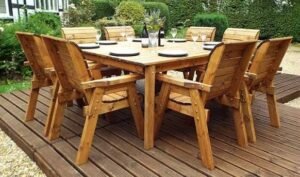
For a dining set used all spring and summer, prioritise stability and strength — treated redwood, white oak, or iroko all handle the daily wear well.
For benches, picnic tables, or anything left outside year-round, durability matters more than looks. Ipe, teak, or black locust are built for exactly this kind of abuse.
For decorative or occasional-use pieces in a sheltered spot, cedar or cypress make sense — you’re paying for workability and appearance rather than maximum toughness.
For commercial settings like pub gardens, schools, or hospitality venues, reliability and low maintenance usually win out over prestige. Properly treated redwood or iroko tend to be the practical choice here.
Caring for Outdoor Wood Furniture
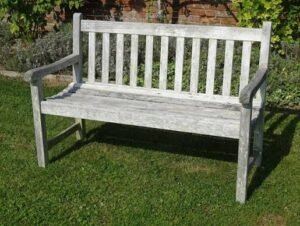
Even the best wood for outdoor furniture benefits from a little seasonal attention.
Give furniture a wash with warm water and mild soap at the start of spring, before regular use picks up. A soft bristle brush handles dirt and grime without damaging the surface. Let it dry fully in the sun before applying any treatment.
If you want to keep the original colour, plan on oiling or staining once a year — teak oil, tung oil, or a UV-protective finish all work, depending on the species. If you’re happy to let the wood weather naturally to grey, you can skip this step almost entirely; just know that’s a one-way process.
Keep furniture off bare soil or wet grass where possible. Moisture wicks upward from the ground faster than most people expect, and it’s one of the main causes of early rot in furniture legs. A simple paving slab or furniture foot underneath each leg makes a real difference.
Cover pieces during the worst of winter if you can, especially anything left in standing snow or ice. And never try to dry wet wood with direct heat — it causes uneven shrinkage that can crack joints and finishes.
For more detail on treatment options, the Forest Stewardship Council also publishes guidance on sourcing responsibly harvested timber, which is worth a look if sustainability factors into your decision.
Frequently Asked Questions
What is the most durable wood for outdoor furniture? Teak and ipe are generally considered the most durable, both capable of lasting 25 years or more with minimal maintenance, thanks to their high natural oil and density.
Is treated pine or redwood good enough for outdoor furniture? Yes, for most everyday use. Pressure treatment significantly closes the gap with naturally durable hardwoods, and it’s a fraction of the cost — a sensible choice for dining sets and furniture that gets regular use.
Do I need to oil or seal outdoor wood furniture every year? Only if you want to maintain the original colour. If you’re fine with the wood weathering to a natural silver-grey, you can skip annual treatment almost entirely.
What’s the cheapest wood that still holds up outdoors? Acacia and treated softwoods like pine or redwood tend to be the most affordable options that still offer reasonable durability, especially if kept off wet ground and given basic seasonal care.
Is teak worth the extra cost? If longevity and minimal upkeep matter most to you, yes — genuine teak can outlast cheaper alternatives by decades. If budget is the priority, iroko offers similar performance for less.