
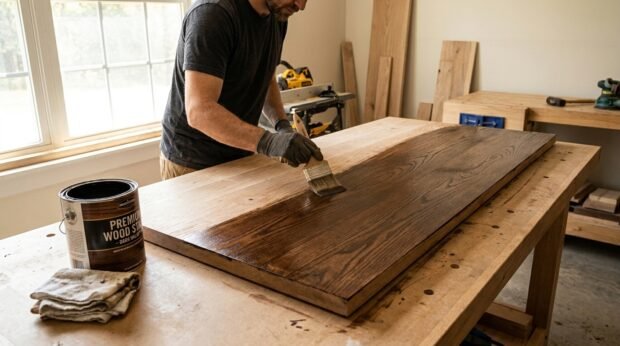

For years I figured wood furniture just wears down eventually, that’s kind of what you assume happens to anything made from a natural material. A table gets dull, a chair leg cracks, you shrug, call it age and move on with your day. This whole wood care products buying guide exists because that assumption is usually wrong.
Most of what people blame on time, if you actually look closer, turns out to be neglect that’s been stacking up quietly for years before it finally shows up somewhere obvious.
My grandmother had an oak table that looked, if anything, better at seventy years old than it did in old photos from decades earlier, and it wasn’t some secret formula or expensive product. She just never let it go more than a few weeks without a bit of attention. That’s basically the whole trick behind good wood care products used consistently. Not ignoring it, for a really long time.
What Wood Care Products Actually Matter
Walk down the wood care aisle sometime and you’ll notice half the shelf is stuff you’ll never actually use. Overpriced, redundant, take your pick. Four wood care products, maybe, used properly and often enough, plus a handful of habits that eat up ten minutes a month, that’s really the whole thing.
Why Wood Dries Out and Cracks in the First Place
Cutting a tree down and turning it into a table doesn’t actually stop it from acting like wood. It’s still pulling moisture out of the air, or giving it back, depending on what season it is or whether the heating’s on, something worth knowing given how much UK homes rely on central heating for a good chunk of the year. A radiator nearby, a window that gets sun most of the afternoon, either one speeds up drying that would normally take years, sometimes down to months. And once the surface can’t keep pace anymore, that’s your cracks, your warping, the grey washed-out look furniture gets when it’s been left alone too long. It’s less about looks, more about moisture control, if you want the honest version. Wood’s just a bit unstable by nature and this is the whole reason the right wood care products matter at all.
A Proper Wood Cleaner
Whatever’s under your kitchen sink, leave it there. That stuff’s built for tile and countertops, loaded with ammonia most of the time, and it’ll quietly strip the wax right off a wood finish if you use it enough, you won’t even notice until the piece looks patchy somewhere and you’re trying to figure out what happened. pH-neutral, no ammonia, that’s the standard to look for among wood care products. Silicone-based cleaners too, steer clear, they leave a film that turns into a real headache if you ever want to refinish the piece down the line.
Wood Conditioner or Nourishing Oil

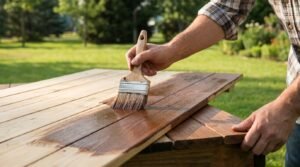
The step almost everyone skips is conditioning, and it’s arguably the most important entry in this whole wood care products lineup. Cleaning takes dirt and grease off the surface. It does absolutely nothing for the natural oils inside the wood that slowly evaporate over years, that’s a separate problem, and it’s honestly the bigger one. A decent conditioner, whether it’s tung oil, linseed oil, or some blend made for the purpose, puts that moisture back in a way cleaning never will. If you’re treating a dining table or a cutting board, get something food-safe. Older furniture and antiques generally do better with oils that soak into the wood rather than sit on the surface. For more on which oil actually suits which species, our wood finishes guide goes into that in proper detail.
Wax for Shine and Protection
Wax is more optional, honestly, but it does two things well. It adds a nice deep shine, and it puts a thin layer of protection between the wood and daily wear, spills, dust, whatever brushes against it during a normal week. Paste wax outlasts the spray-on stuff by a wide margin, spray wax is mostly marketing, if I’m being blunt about it, though paste takes real effort to apply properly, you’re on your knees with a cloth for a while. Worth it for the pieces you actually care about. Skip it on stuff that’s more functional than sentimental, nobody needs to wax a kid’s desk.
Wood Filler for Scratches and Dents
Then there’s the small stuff, a tinted filler or a touch-up marker matched to your wood tone, one of the more overlooked wood care products on this list. Dents happen. Kids, moving furniture around, a dropped set of keys. This fixes most minor damage in a couple of minutes and it’s genuinely one of those things worth having in a drawer even if you only reach for it twice a year.
A Sealant for Outdoor Wood


If any of your wood lives outside, decking, a fence, patio furniture, moisture is the actual enemy, full stop. Water getting into unsealed wood is how you end up with rot and warping and mould, sometimes all three at once. Grab something UV-resistant if it sits in direct sun most of the day, and ideally something breathable, because sealing moisture in is almost as bad as letting it in unprotected, trapped moisture rots wood from the inside just as effectively. If you’re picking outdoor furniture in the first place, our guide to the best wood for outdoor furniture covers which species need this kind of protection most.
Matching Wood Care Products to the Type of Wood You Own
Not every piece wants the same treatment, and this is where people go wrong more than anywhere else. Hardwood floors need cleaners made specifically for floor finishes, not furniture polish, heavy waxing on a floor can make it dangerously slippery, so don’t treat a floor like a coffee table just because they’re both wood. Raw or unfinished wood soaks up oil directly, so conditioning shows real, visible results there fast. Painted or lacquered furniture doesn’t need oil at all, since the finish blocks it from soaking in anyway, a gentle wipe-down and the occasional polish covers it completely. Outdoor teak is its own category too. Some people love letting it weather naturally into that silvery grey. Others want to keep the original honey colour and use a teak sealant to fight the fade. Neither approach is wrong, it’s really just a preference. If you’re not sure what you’re even working with, our wooden furniture buying guide explains how to identify solid wood, veneer, and everything in between.
A Simple Maintenance Routine
Weekly, just dust with a dry microfibre cloth. No wood care products needed for this step, just the cloth. Sounds too basic to actually matter but dust sitting there acts like fine grit, so every time something brushes against it you’re kind of low-key sanding the finish down without meaning to. Once a month, clean it properly, and if the wood’s looking thirsty, a light coat of oil after that. Every few months wax whatever gets heavy daily use, glance over the outdoor pieces too while you’re at it for cracking or fading. And once a year, give anything valuable or antique a deeper condition, reseal the outdoor wood before the worst of the weather season actually hits, not after.
Common Mistakes That Damage Wood Faster
Radiators and heat vents are furniture killers, basically, drying wood unevenly in a way that starts cracks more often than people think. Polish sprays used constantly are almost as bad, they build up a hazy film that eventually has to be stripped off, more work in the long run than just leaving the piece alone half the time. If a spill happens, blot it, don’t wipe with a dry cloth, wiping just pushes liquid deeper into the grain instead of lifting it out. Coasters matter more than they seem to, skip them long enough and you’ll be staring at white rings with no idea where they came from. And a damp garage or basement is trouble for anything wooden, finish or no finish, doesn’t matter how good the coating is.
When to Repair vs. When to Refinish
Small scratches and general dryness are maintenance-level problems, filler and a bit of oil, done in an afternoon, nothing dramatic. But deep cracks, finish peeling across a large section, or wood that’s swollen from actual water damage, that’s past what surface products can fix. Patching that kind of damage just delays a bigger refinishing job and usually makes the eventual fix messier than if you’d dealt with it sooner. If you’re gearing up for that kind of repair yourself, our woodworking tools guide covers what’s actually worth having on hand.
Frequently Asked Questions
How often should I use wood care products indoors? It depends on the house, honestly. Once a month to once every three months indoors covers most situations, lean toward more often if the heating runs a lot or the air’s just naturally dry where you live. Teak or cedar outside is different, a sealant once or twice a year usually does it.
Can I use cooking oil as one of my wood care products? Skip it if you can. It doesn’t cure properly, stays tacky, and can turn rancid after a while, not something you want anywhere near a dining table. Mineral oil or a butcher block conditioner, both proper wood care products, cost about the same and actually do the job.
What’s the difference between wood oil and wood wax? Oil soaks in, feeds the wood from underneath basically. Wax stays on the surface, protects it, adds shine. Dry or unfinished wood wants oil. Something already finished that just needs a bit of polish, that’s a wax job.
Why does my furniture look dry right after cleaning it? That’s not a cleaning problem, it’s a conditioning one. Cleaning just removes dirt, nothing more, it was never going to put oil back in. Dull right after a clean basically means the wood’s asking for conditioner next, not another round of the same cleaner.
Is vinegar safe to use on wood furniture? Diluted, used occasionally on sealed wood, that’s fine. As a daily habit though, not really recommended, the acidity wears down the finish gradually. A pH-neutral cleaner is the safer bet for everyday use, and it’s what most reputable British Woodworking Federation guidance points toward as well.
The Bottom Line
None of this needs to be complicated, and honestly I think that’s where a lot of people talk themselves out of even starting, it sounds like a whole project when really it’s a decent cleaner, something to nourish the wood, and wax for the pieces that matter most. That covers almost everything most households actually need from wood care products. The rest is just consistency, a few minutes here and there instead of one big scramble after something finally cracks and you’re googling “how to fix” at 11pm. Do that for a year or two and the furniture doesn’t just last longer. It starts looking better with age, honestly, in a way nothing off a showroom floor can fake no matter how much it costs.