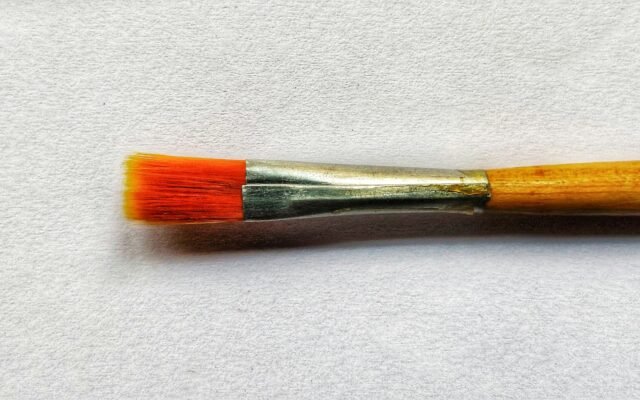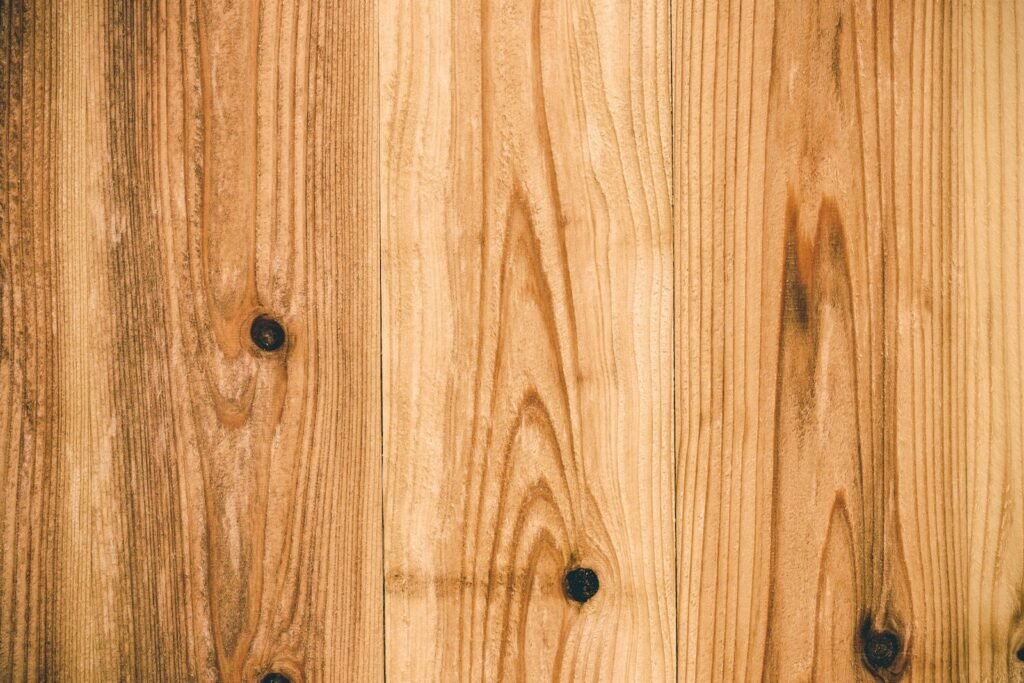
Once your project is built and sanded, you face a big decision: what finish should go on it? Two of the most common choices are polyurethane and wood oil. They behave very differently. Polyurethane builds a protective film on top of the wood, while oils soak in and cure inside the fibers. Neither is “better” in every case. The right choice depends on how the piece will be used, the look you want, and how much maintenance you are willing to do. If finishing is new to you, also see our beginner guides.
Key takeaways
- Polyurethane forms a durable surface film; it is best for tabletops, floors, and high-wear furniture.
- Penetrating oils (like tung oil, linseed oil, and blended “Danish” or “finishing” oils) give a natural, low-sheen look and are easy to repair, but offer less protection.
- Hardwax oils sit between the two, combining oil penetration with a waxy surface layer.
- Cutting boards and butcher blocks are a special case: use food-grade mineral oil or a product specifically labeled food-safe, and follow the label.
- Always read the manufacturer’s directions for application, dry times, and safety.
What is polyurethane?
Polyurethane is a type of varnish that cures into a hard plastic-like film. It comes in oil-based and water-based versions and in several sheens, from matte to gloss. It can be brushed, wiped on, or sprayed.
- Oil-based polyurethane adds a warm amber tone that deepens over time, takes longer to dry, and has a stronger odor.
- Water-based polyurethane dries clear with little color shift, dries quickly, and cleans up with water.
What is wood oil?
“Wood oil” covers several products. Drying oils such as pure tung oil and boiled linseed oil penetrate the wood and harden through reaction with oxygen. Many “Danish oil” or “finishing oil” products are blends of oil, varnish, and solvent, which cure a bit harder than pure oil. Mineral oil, by contrast, is non-drying; it never hardens and is used mainly on kitchen items like cutting boards.
Side-by-side comparison
| Factor | Polyurethane | Penetrating oil |
|---|---|---|
| Protection | High resistance to water, scratches, and many household spills | Light to moderate; water can mark the surface over time |
| Look | Clear film, from satin to gloss; can look “plastic” if applied thickly | Natural, close-to-the-wood, low sheen |
| Feel | Smooth, sealed surface | Feels like wood |
| Application | Thin coats with light sanding between; dust control matters | Wipe on, let soak, wipe off; very forgiving |
| Repairs | Damage often requires sanding and refinishing an area or whole surface | Easy spot repairs; just reapply oil |
| Maintenance | Low once cured | Periodic reapplication |
| Best for | Tables, desks, floors, cabinets, kids’ furniture | Decorative pieces, chairs, turned items, rustic furniture |
- Polyurethane: strong, durable protection
- Polyurethane: low maintenance once cured
- Oil: natural look and feel
- Oil: easy to apply and repair
- Polyurethane: harder to repair locally
- Polyurethane: brush marks and dust nibs are common for beginners
- Oil: less water and scratch resistance
- Oil: needs periodic reapplication
When to choose polyurethane
- Dining tables, coffee tables, and desks that face spills, hot mugs, and daily wear
- Kitchen and bathroom cabinets
- Floors and stair treads (use a product made for floors)
- Pieces where you want minimum ongoing maintenance
When to choose wood oil
- Decorative boxes, picture frames, and shelves that see little wear
- Chairs and furniture where a natural feel matters
- Turned bowls (decorative) and carved pieces
- Outdoor or rustic pieces where easy re-coating is preferred (use a product rated for exterior use)
A special note on food-contact items
For cutting boards and butcher-block surfaces used for chopping, the conservative choice is food-grade mineral oil or a mineral oil and beeswax blend that is labeled for food contact. Film finishes like polyurethane get cut by knives. Many fully cured finishes are generally considered safe for food contact by their makers, but cure times vary widely, so check the product label and follow it exactly. See our project guide on building a wooden cutting board.
How to apply polyurethane (basic steps)
- Sand the project to 180–220 grit and remove all dust.
- Stir the can gently; do not shake (shaking creates bubbles).
- Apply a thin coat with a quality brush, foam pad, or lint-free cloth (wipe-on poly), working with the grain.
- Let it dry according to the label.
- Lightly sand with 320 grit or a fine abrasive pad, then remove dust.
- Repeat for two to four coats, depending on the product and the expected wear.
How to apply a penetrating oil (basic steps)
- Sand to 180–220 grit and remove dust.
- Flood the surface with oil using a rag or brush.
- Let it soak for the time on the label.
- Wipe off all excess thoroughly. Leftover oil becomes sticky.
- Allow it to cure, then apply additional coats as directed.
Safety notes
- Rags soaked with drying oils (linseed, tung, Danish oil, oil-based poly) can spontaneously combust. Lay them flat outdoors to dry or store them in a sealed metal container filled with water, and follow the manufacturer’s disposal guidance.
- Ventilate well and wear a respirator rated for organic vapors when the label calls for it.
- Wear gloves and eye protection. See our safety gear section.
Common mistakes to avoid
- Applying polyurethane too thick. Thick coats run, sag, and take much longer to cure.
- Skipping light sanding between poly coats. This leaves dust nibs and can hurt adhesion.
- Leaving excess oil on the surface. It turns gummy instead of curing.
- Expecting oil to protect like poly. Use coasters and wipe up spills on oiled furniture.
- Not testing. Oil-based finishes add an amber tone; test on scrap to see the final color.
What about hardwax oil and other middle-ground options?
If neither polyurethane nor a plain penetrating oil feels right, there are a few options in between:
- Hardwax oil: blends of oils and waxes that penetrate the wood and leave a thin, durable surface layer. They keep a natural look while adding more water resistance than oil alone, and worn spots can often be refreshed without sanding the whole piece. Application rules are strict (very thin coats, full wipe-off), so follow the label closely.
- Wiping varnish: a thinned varnish that you wipe on like oil. It builds a thin film over several coats, giving more protection than oil with an easier application than brushing polyurethane.
- Shellac: a traditional finish that dries quickly and is easy to repair, but it is less resistant to water, heat, and alcohol than polyurethane.
A simple decision guide
- Will it touch food you cut on? Use food-grade mineral oil or a product labeled for that use.
- Will it see daily spills, heat, or heavy wear? Choose polyurethane or another durable film finish.
- Do you want the most natural look and feel, with easy repairs? Choose a penetrating oil or hardwax oil.
- Not sure? Finish a scrap with each option, live with the samples for a few days, and see which you prefer.
FAQ
Can I put polyurethane over oil?
Often yes, once the oil has fully cured, but compatibility varies by product. Check both labels and test on scrap first.
Which is better for a dining table?
For most families, polyurethane or another durable film finish offers better protection against spills and heat. Hardwax oils are an alternative if you prefer a natural look and are fine with maintenance.
Does oil make wood waterproof?
No. Oils add some water resistance, but standing water can still mark the surface.
Water-based or oil-based polyurethane?
Water-based stays clear and dries fast. Oil-based adds warmth and is often a bit easier to brush out. Read How to Stain Wood if you plan to stain first.