
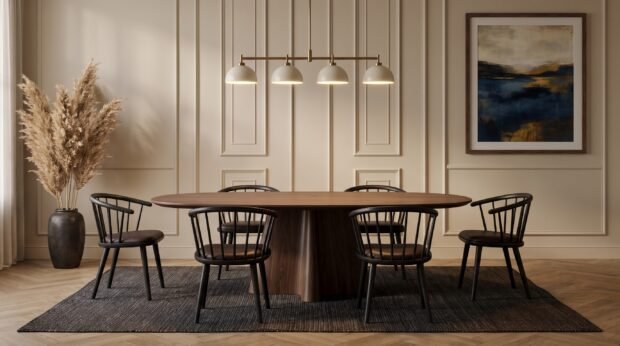

A friend of mine spent two years saving for a solid oak dining table. Beautiful thing, heavy as a small car, the kind of piece she figured her grandkids would eventually inherit. Meanwhile her sister furnished an entire apartment with engineered wood pieces for less than the price of that one table, and five years later, everything still looks great. Neither of them made a mistake. They just wanted different things, and that’s really what the solid wood vs engineered wood decision comes down to.
Most articles on this topic are written for flooring, not furniture, or they’re so generic you finish reading without actually knowing what to buy. This one is different. We’re going to walk through what solid wood and engineered wood actually are, how they perform over time, what they cost by furniture type, and how to tell them apart when you’re standing in a showroom trying not to get talked into the wrong thing.
What’s the Real Difference: Solid Wood vs Engineered Wood
Before comparing prices or durability, it helps to know what you’re actually looking at.
How Solid Wood Furniture Is Made
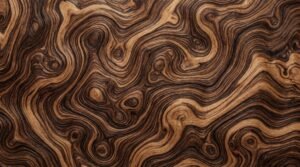
Solid wood furniture is exactly what it sounds like: pieces cut and shaped from a single, unbroken piece of timber, whether that’s oak, walnut, pine, or mango wood. Nothing is layered or bonded together. When you sand it, you’re sanding real wood all the way through, and when it ages, it develops the kind of grain character that only comes from a tree that actually grew that way.
How Engineered Wood Furniture Is Made
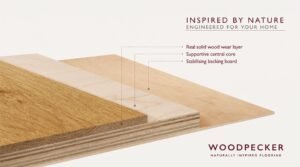
Engineered wood, on the other hand, is built rather than carved. Manufacturers press together layers of wood veneer, particleboard, MDF, or plywood using strong adhesives, then usually finish the surface with a thin layer of real wood veneer or laminate on top. It’s a manufactured product, but it’s not the same as laminate flooring or cheap flat-pack furniture — quality engineered wood still uses genuine wood fibres, just arranged differently than nature did.
This is honestly where most solid wood vs engineered wood confusion starts. People assume “engineered” means fake, and it doesn’t. It just means assembled.
Solid Wood vs Engineered Wood: Durability and Lifespan
Here’s where the two genuinely diverge, and where most buying guides stop short of giving you a straight answer.
Solid wood wins on raw longevity. A well-made solid wood table can last fifty years or longer, and because it’s wood all the way through, you can sand it down and refinish it again and again as it picks up dents and scratches over the decades. That’s a real advantage if you’re the type who keeps furniture for life, or if you’re buying something you want to pass down.
Engineered wood isn’t flimsy, though, and it’s worth pushing back on that assumption. Good-quality engineered furniture typically lasts 15 to 30 years with normal use, and because of how it’s constructed, it actually resists warping better than solid wood in some conditions. The catch is refinishing — you can usually only sand and refinish engineered wood once or twice before you hit the base layer underneath the veneer, so once it’s damaged past that point, you’re looking at a replacement rather than a repair.
Solid Wood vs Engineered Wood in Humid Climates
If you live somewhere with real seasonal humidity swings, or you’re deciding between the two for a kitchen, bathroom, or conservatory, this matters more than almost anything else. Solid wood expands and contracts with moisture in the air, which over years can loosen joints or cause boards to cup slightly. Engineered wood’s layered, cross-grain construction resists that movement much better, which is exactly why it’s the more practical choice in rooms where temperature and humidity swing throughout the year.
Solid Wood vs Engineered Wood: Cost Comparison by Furniture Type
Money is usually the deciding factor, so let’s actually put numbers next to this instead of vague “expensive vs affordable” language.
| Furniture Type | Solid Wood (Typical Range) | Engineered Wood (Typical Range) | Price Gap |
|---|---|---|---|
| Dining table (6-seater) | $800–$3,000+ | $300–$900 | Solid wood 2–4x more |
| Bed frame (queen/double) | $600–$2,200 | $200–$700 | Solid wood 2–3x more |
| Wardrobe/armoire | $700–$2,500 | $250–$800 | Solid wood 2–3x more |
| Bookshelf/storage unit | $250–$900 | $100–$350 | Solid wood 2–3x more |
| Coffee table | $150–$700 | $60–$250 | Solid wood 2–3x more |
Solid Wood vs Engineered Wood: Quick Price Snapshot
As a general rule of thumb, expect solid wood furniture to cost roughly two to four times more than an equivalent engineered wood piece. That gap narrows for smaller items and widens for large statement pieces like dining tables, where the sheer volume of timber required drives the price up fast.
Solid Wood vs Engineered Wood: Which Suits Which Room
The right choice really does depend on where the piece is going, not just your budget.
For a dining room or living room that stays at a fairly stable temperature, solid wood makes sense if you want something that ages beautifully and can be refinished for decades. It’s also the better pick for a true statement piece, the kind of table or cabinet you actually want people to notice.
For a kitchen, bathroom, or conservatory, engineered wood is genuinely the smarter choice. It handles humidity and temperature swings far better, and it won’t warp or crack the way solid wood can in these conditions.
For bedrooms and kids’ rooms, engineered wood often wins on practicality. It’s lighter, easier to move if you rearrange furniture often, and considerably cheaper to replace if a growing child dents a wardrobe door or scratches a desk.
For a rental property or a home you don’t plan to stay in long-term, engineered wood is the more sensible investment, since you won’t be around long enough to benefit from solid wood’s decades-long lifespan anyway.
How to Tell Solid Wood from Engineered Wood in a Showroom
This is the part most guides skip entirely, and it’s genuinely useful the next time you’re furniture shopping.
Check the edges and underside of the piece. Solid wood shows continuous grain running through the entire thickness of the board, edges included. Engineered wood usually reveals a thin veneer layer at the edges, sometimes visible as a slightly different colour or texture line where the veneer meets the core material underneath.
Look at the weight. Solid wood is noticeably heavier for its size than engineered wood, since there’s no hollow or composite core involved.
Ask directly, and ask specifically. A reputable retailer will tell you plainly whether a piece is solid wood, engineered wood, or a mix of both (many pieces use solid wood frames with engineered wood panels for the flat surfaces, which is a completely legitimate and common approach, not something to be suspicious of).
Check the price relative to size. If a large dining table is priced suspiciously close to a small engineered wood coffee table, something doesn’t add up, and it’s worth asking questions before you buy.
Solid Wood vs Engineered Wood: Maintenance and Repairs
Solid wood asks more of you but also forgives more. Regular oiling or waxing keeps the grain looking rich, and if you’re not fussy about matching the original finish exactly, you can sand out water rings, dents, and scratches yourself with basic tools. If you’re curious about the different oil and finish options available for solid wood pieces, our wood finishes guide walks through which finish suits which type of wood.
Engineered wood is lower-maintenance day to day, mostly just needing a wipe-down, but repairs are trickier. Once the veneer is damaged deep enough, sanding it out isn’t really an option, and you’re often better off using a wood filler or touch-up marker matched to the finish rather than attempting a full refinish. If you’re setting up a small workshop at home for basic furniture repairs and touch-ups, our woodworking tools guide covers what’s actually worth buying versus what you can skip.
Which Is More Sustainable: Solid Wood vs Engineered Wood
This one surprises people. Solid wood feels more “natural,” but it typically requires cutting down a full, mature tree for each piece of furniture produced. Engineered wood, by contrast, is often made using offcuts, smaller trees, and reclaimed wood fibres that would otherwise go to waste, which means manufacturers get considerably more furniture out of the same amount of harvested timber.
That said, sustainability really comes down to sourcing, not just the material category. Look for FSC (Forest Stewardship Council) certification on either type, since it’s the clearest signal that the wood, solid or engineered, was responsibly harvested rather than pulled from unmanaged or illegally logged forests. The Forest Stewardship Council publishes a searchable database of certified products if you want to verify a specific piece before buying. If you’re weighing up wood choices for an outdoor project instead of indoor furniture, our guide to the best wood for outdoor furniture covers durability and sourcing for that specific use case.
Frequently Asked Questions
Is solid wood always better than engineered wood? Not necessarily. Solid wood wins on longevity and refinishing potential, but engineered wood often performs better in humid rooms and costs significantly less. “Better” really depends on where the piece is going and how long you want it to last.
Does engineered wood furniture look as good as solid wood? With a quality veneer top layer, engineered wood can look nearly identical to solid wood once it’s finished and in a room. The difference becomes more obvious over decades of wear, not on day one.
Can engineered wood furniture be repaired if it’s damaged? Yes, to a point. Minor scratches can usually be touched up, but once damage goes past the veneer layer, sanding and refinishing isn’t really possible the way it is with solid wood.
Which is the better investment, solid wood or engineered wood? If you’re keeping the piece for decades or plan to pass it down, solid wood tends to justify its higher price. For furniture you’ll likely replace or update within 10 to 15 years, engineered wood usually makes more financial sense.
Is engineered wood furniture bad for the environment? Not inherently. In many cases, it uses timber more efficiently than solid wood by relying on smaller trees and offcuts. Look for FSC certification on either material to confirm it was responsibly sourced.