
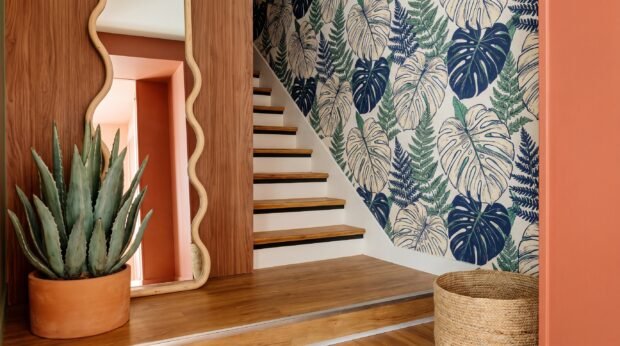

My mum has this small oak bowl on her hallway table that she’s had for nearly fifteen years. Nothing fancy, just somewhere to drop keys and post, but it’s aged into this warm honey colour that no shop-bought piece ever seems to have straight off the shelf. That’s really the appeal of wood in home decor, isn’t it. It’s one of the only materials that gets better looking the longer you own it, which is exactly why choosing the right types of wood for home decor matters so much from the start.
The trouble is, walking into a shop or scrolling an online store and trying to work out which types of wood for home decor are actually worth your money is genuinely confusing. Most guides either drown you in construction jargon meant for builders, or they’re so vague they just say “hardwoods are best” and leave you no better off. This guide is written for people buying actual decor pieces, bowls, trays, wall art, side tables, shelving, not flooring contractors or furniture manufacturers, and it’s aimed squarely at a UK audience where sourcing and pricing look a bit different to the US.
Whatever type of wood for home decor you’re drawn to, getting the basics right up front saves you from an expensive mistake later.
What Actually Makes Wood Good for Home Decor?
Before running through species, it helps to know what you’re judging them against, because “best” really depends on what the piece is for.
Hardness matters less than people assume. A wood being classified as a hardwood doesn’t automatically mean it’s tough. Balsa is technically a hardwood and about as soft as they come. What actually matters when comparing types of wood for home decor is the Janka hardness rating, a real measurement of how well a wood resists dents and scratches, which is far more useful than the hardwood/softwood label alone.
Grain and colour do the visual heavy lifting. A decorative bowl or wall panel lives or dies on how the grain catches the light. Some woods have tight, subtle grain that reads as calm and minimal. Others have bold, dramatic grain that becomes the entire personality of the piece.
Finish compatibility. Some woods take oil beautifully and develop that deep, rich patina over years. Others are better suited to a matte lacquer or simply left raw. Getting this wrong is how people end up with blotchy, uneven-looking pieces. This is exactly why picking the right types of wood for home decor matters more than just going with whatever looks nice in the shop under bright lighting.
Types of Wood for Home Decor: Species Compared

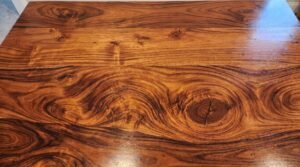
Here’s a side-by-side look at the types of wood for home decor most commonly used in the UK, based on how they actually perform as decorative pieces rather than construction lumber.
| Wood | Colour | Hardness | Typical UK Price | Best Decor Use |
|---|---|---|---|---|
| Oak | Golden brown to pale | High | ££ | Bowls, shelving, statement furniture |
| Walnut | Deep chocolate brown | High | £££ | Side tables, wall art, premium accents |
| Mango Wood | Warm caramel with dark streaks | Medium | £ | Trays, bowls, sustainable decor pieces |
| Ash | Light, almost white | Medium-high | ££ | Scandi-style shelving and frames |
| Cherry | Reddish-brown, darkens with age | Medium | ££ | Small carved accents, boxes |
| Acacia | Light to dark reddish-brown | Medium-high | ££ | Chopping boards, bowls, textured trays |
| Teak | Golden brown, ages to silver | High | £££ | Statement pieces, indoor/outdoor crossover items |
| Pine | Pale yellow | Low | £ | Rustic frames, budget shelving |
| Mahogany | Deep reddish-brown | High | £££ | Luxury cabinets, ornate carved pieces |
Prices are relative rather than fixed, since sourcing and finish quality change things a fair bit, but the general tiers hold up regardless of where you’re shopping for types of wood for home decor.
Warm-Tone Hardwoods: Oak, Walnut, and Mahogany
These three are what most people picture when they think “quality wood decor,” and among the types of wood for home decor available in the UK, they remain the most requested for good reason.
Oak is the safest, most versatile choice on this list. Its grain is bold without being loud, and it pairs with almost any interior style, from traditional to modern minimalist. It’s also one of the more affordable hardwoods in the UK, which is a big part of why it shows up in everything from carved bowls to statement shelving units.
Walnut sits at the premium end. Its deep, chocolatey tone makes it a favourite for side tables and wall art meant to be the focal point of a room rather than a background piece. It’s pricier than oak, largely because it grows more slowly and yields less usable timber per tree, but the visual payoff is real.
Mahogany leans traditional and formal. It’s the wood you’ll find in older, more ornate decor pieces, deep carved boxes, classic cabinet fronts, that kind of thing. It’s beautiful but it’s also the most expensive of the three, and genuinely sustainable mahogany can be tricky to source, so it’s worth asking suppliers directly about origin.
Budget-Friendly and Sustainable Options: Mango Wood, Acacia, and Pine
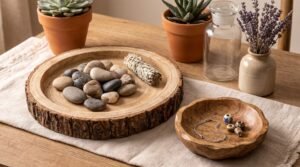
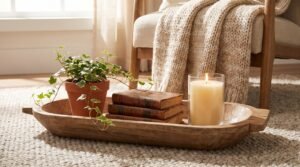
Not every piece needs to be an investment, and honestly, some of the nicest types of wood for home decor I’ve seen have come from the cheaper end of this list.
Mango wood has genuinely taken over a big chunk of the affordable decor market in the last few years, and it’s easy to see why. It’s a byproduct of mango fruit farming, meaning trees are felled after they stop fruiting rather than specifically logged, which makes it one of the more sustainable options going. The grain is loose and dramatic, with dark streaks running through a caramel base, which gives even simple bowls and trays real character.
Acacia is similarly affordable and holds up well to daily handling, making it a solid pick for anything that gets touched a lot, chopping boards, fruit bowls, coasters. It has a slightly rougher, more textured grain than mango wood, which some people love and others find a bit busy.
Pine is the cheapest option here and the softest, so it’s not ideal for anything that will take knocks, but for rustic picture frames or lightweight shelving where budget matters more than durability, it does the job fine.
Statement and Specialty Woods: Teak, Ash, and Cherry
These three round out the list of types of wood for home decor worth knowing about, each suited to a slightly different look and use case.
Teak crosses over nicely between indoor and outdoor decor because of its natural oil content and resistance to moisture. If you want a piece that can live on a windowsill or a covered patio without special treatment, this is usually the answer. It ages into a soft silver-grey if left alone, though most indoor pieces are oiled to keep that golden-brown tone.
Ash has become the go-to for Scandinavian-inspired interiors thanks to its pale, almost white colour and clean, straight grain. It reads as calm and airy in a way that darker woods simply don’t, which makes it popular for minimalist shelving and picture frames.
Cherry starts out a fairly modest reddish-brown but genuinely deepens and richens with age and light exposure, more than most other woods on this list. It’s a lovely choice for smaller carved accents and decorative boxes where you’ll actually notice that transformation over the years.
Choosing Wood by Room and Style

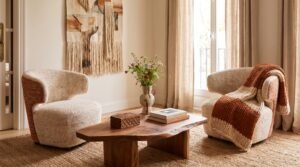
The right types of wood for home decor really do shift depending on where a piece is going and what look you’re after.
For a living room that leans traditional, oak or mahogany accent pieces feel appropriately substantial. For a more modern, Scandinavian-inspired living room, ash or light oak keeps things feeling bright and uncluttered.
For a kitchen, acacia and mango wood are the practical choices for anything that gets handled daily, chopping boards, fruit bowls, utensil holders, since both resist knocks reasonably well and don’t show wear as obviously as softer woods.
For a bedroom, walnut or cherry accents add warmth without overwhelming a space meant to feel calm, particularly as small bedside pieces or picture frames.
For a hallway or entryway, oak is genuinely hard to beat. It’s durable enough for a high-traffic spot and versatile enough to suit whatever style runs through the rest of the house.
Whichever room you’re decorating, matching the wood to how the space actually gets used matters more than just picking the prettiest types of wood for home decor you can find online.
How to Spot Good Quality Wood Decor When Shopping
This is the part most guides skip, and it’s the bit that actually saves you from buying disappointing types of wood for home decor instead of the real thing.
Check the grain continuity. On a genuine solid wood piece, the grain should flow naturally around edges and corners rather than stopping abruptly, which usually signals a veneer over a cheaper core material underneath.
Feel the weight. Denser woods like oak and walnut feel noticeably heavier for their size than pine or cheaper composite alternatives.
Look underneath and inside. Manufacturers rarely bother finishing hidden surfaces to the same standard as visible ones, so an unfinished, rough underside on an otherwise “premium” piece is worth questioning.
Ask about origin, especially for mahogany, teak, or other tropical species. A reputable UK retailer should be able to tell you whether a piece carries FSC certification or comes from a managed, sustainable source. The Forest Stewardship Council keeps a searchable directory of certified products if you want to double-check a specific supplier.
Caring for Wood Decor Pieces
Different types of wood for home decor need slightly different upkeep, but a few habits apply across the board regardless of which types of wood for home decor you’ve chosen.
Dust regularly with a soft, dry cloth rather than anything abrasive, and keep pieces away from direct radiator heat, which dries wood out and can cause cracking over time, something that’s easy to overlook in UK homes where central heating runs for a good chunk of the year.
Oil hardwoods like oak, walnut, or teak every few months if you want to keep their original colour, using a food-safe oil for anything that touches food, like bowls or boards. If you’re curious about which finish suits which species in more depth, our wood finishes guide covers oils, waxes, and lacquers in detail.
Avoid leaving pieces in direct sunlight for extended periods, since UV exposure fades and unevenly discolours most wood types over time, cherry and walnut especially.
If a piece needs actual repair work, sanding out a scratch or refinishing a tabletop, our woodworking tools guide runs through what’s genuinely worth having in a small home toolkit versus what you can skip.
Solid Wood vs Engineered Alternatives
Not every decor piece needs to be solid wood, and knowing the difference matters for both budget and expectations when you’re choosing between types of wood for home decor. Engineered wood pieces use a real wood veneer over a manufactured core, which keeps costs down and resists warping better in humid rooms like bathrooms or kitchens, though they can’t be refinished the way solid wood can once the surface is damaged. If you’re weighing this up for a bigger purchase rather than a small decor accent, our solid wood vs engineered wood comparison breaks down cost and durability by furniture type.
And if you’re specifically decorating an outdoor space, patio, balcony, garden room, the durability requirements shift again. Our guide to the best wood for outdoor furniture covers which species actually hold up against UK weather.
Frequently Asked Questions About Types of Wood for Home Decor
What is the best type of wood for home decor on a budget? Mango wood and acacia are the best value options currently available in the UK. Both offer good durability and distinctive grain patterns at a noticeably lower price than oak or walnut.
Is oak or walnut better for home decor? Neither is strictly better, they suit different looks. Oak is more affordable and versatile, working well across most interior styles. Walnut is pricier but delivers a richer, more premium appearance, better suited to statement pieces.
What wood ages the best for decor pieces? Oak, walnut, and cherry all develop attractive patina over time. Cherry in particular deepens noticeably in colour with age and light exposure, more so than most other common decor woods.
Is mango wood good quality for home decor? Yes, genuinely. Among the more budget-friendly types of wood for home decor, it’s durable, visually distinctive thanks to its streaked grain, and considerably more sustainable than many alternatives since it’s sourced from trees that have already finished their fruiting life.
How do I know if wood decor is real or veneer? Check the grain around edges and corners, real solid wood shows continuous grain flowing naturally around the piece, while veneer usually reveals a thin edge line where the surface layer meets a different core material underneath.